
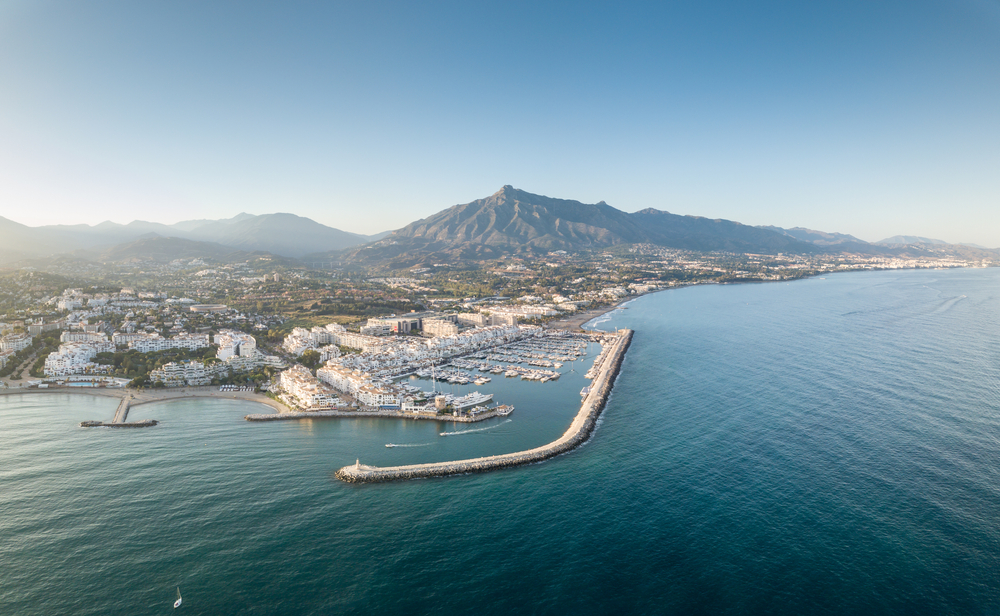
While friends and family shiver through the winter, those in the know are on the Costa del Sol, debating whether it’s worth taking a light jacket when they go out and definitely not forgetting their sunglasses.
January lunches stretch into leisurely afternoons on sunny terraces, the beaches are wonderfully peaceful and the mountains behind Marbella are at their greenest. It is a very different Costa del Sol from the one visitors encounter in August, and for many year-round residents, all the better for it.
Summer may attract the headlines, but winter reveals another side of southern Spain, and for those who live here permanently, it is often one of the most enjoyable times of year.
While the Costa del Sol’s reputation is built on sunshine, winter life offers much more than the just a balmy January afternoon.
What is the weather really like?
The Costa del Sol enjoys one of the mildest winter climates in mainland Europe, thanks in part to its sheltered position between the Mediterranean Sea and the mountains.
According to Spain’s national meteorological agency, AEMET, average daytime highs in Málaga reach approximately 17°C in January and 18°C in February. Each of those months has around 180 hours of sunshine, which means plenty of opportunities to enjoy being outdoors.
Winter does bring a change in temperatures. Evenings can be chilly, so that jacket will probably come in handy. Rain is also more frequent from November to March, and when Atlantic weather systems arrive, several wet days are possible. After months of wall-to-wall summer sunshine, however, the rain is very welcome.
The noticeable difference is how quickly everyday life returns outdoors. A rainy morning can give way to a beautifully clear afternoon, and even in December it is perfectly possible to enjoy lunch on a sunny terrace without a coat.
For anyone moving from the UK or northern Europe, the ability to spend so much of the winter outside is one of the greatest attractions.
A different side of Marbella
Marbella has a reputation for glamorous beach clubs, international visitors and a busy summer social calendar. Yet its appeal extends well beyond the holiday season.
Winter brings a different atmosphere to the Old Town, where the narrow streets around Plaza de los Naranjos are particularly inviting on sunny afternoons. The seafront promenade remains popular with walkers and cyclists, while cafés and restaurants continue to serve the substantial community of permanent residents.
Puerto Banús also takes on a more leisurely pace. Its marina, designer boutiques and waterfront restaurants remain part of everyday life, without the intensity of the summer crowds.
The distinction between holiday resorts and established residential neighbourhoods becomes more apparent at this time of year. Areas such as Nueva Andalucía, San Pedro de Alcántara and central Marbella have thriving local communities, with schools, businesses and social activities open year-round.
For prospective buyers, spending time in these neighbourhoods during winter can provide a much clearer impression of what permanent life on the Costa del Sol actually entails.
Winter is one of the best seasons for outdoor living
One of the greatest advantages of the Costa del Sol’s climate is that outdoor activities remain accessible year-round.
Golf is an obvious example. The cooler temperatures make winter particularly attractive for playing the region’s celebrated courses, including those in Nueva Andalucía’s Golf Valley, La Quinta and Los Flamingos.
The surrounding countryside is equally appealing. Following the autumn rains, the hills around Benahavís, Istán and Ojén become noticeably greener. Walking routes through the Sierra de las Nieves and the foothills behind Marbella offer spectacular scenery, with temperatures far more comfortable for hiking than during the height of summer.
There’s also the simple pleasure of spending time by the sea. For many residents, winter beach walks are a regular part of life along the promenades linking Marbella, Puerto Banús and San Pedro.
On a sunny afternoon, the beach can still be a lovely place to spend a few hours, even if the Mediterranean is too cold for most swimmers.
Christmas and the winter social calendar
Anyone expecting the Costa del Sol to become sleepy after October might be surprised by how much happens during the winter months.
Christmas is particularly atmospheric. Málaga’s famous illuminations along Calle Larios attract visitors from across Andalucía and even further afield, while Marbella, Estepona and neighbouring towns decorate their streets and squares with festive lights.
Traditional Spanish celebrations are an important part of the season. Elaborate nativity scenes, known as belenes, appear in churches and public buildings, while Christmas markets and local concerts bring communities together.
The festivities continue into January with Three Kings celebrations on 5 January. The colourful Cabalgatas de Reyes parades are a highlight of the Spanish Christmas calendar, particularly for families with children.
Beyond Christmas, the cultural calendar remains active. Málaga’s museums and galleries offer year-round exhibitions, while theatres, concerts and local events provide plenty of opportunities to enjoy the region’s cultural life.
Winter is also an excellent time to explore Andalucía beyond the coast. Historic cities such as Granada, Córdoba and Seville are particularly enjoyable now that sightseeing temperatures are more comfortable.
What about everyday life?
For permanent residents, one of the biggest differences between visiting the Costa del Sol and living here is the sense of normality that develops beyond the summer season.
Schools follow their regular academic calendars, local businesses remain busy and the international community continues its social and professional activities.
Marbella and its surrounding residential areas support a well-established infrastructure, making year-round living practical for families, working professionals and retirees alike.
The winter months can also make it easier to appreciate the character of individual neighbourhoods. Estepona’s attractive town centre remains lively, with its pedestrian streets, independent shops and traditional tapas bars. Benahavís village enjoys a strong local identity, while San Pedro de Alcántara offers an appealing combination of Spanish town life and proximity to the coast.
For those seeking a quieter residential environment, hillside communities such as La Quinta and parts of Nueva Andalucía offer beautiful mountain views and a sense of space, while remaining within easy reach of Marbella’s amenities.
Choosing a home for all four seasons
A property that looks spectacular in August should be equally comfortable in January. This is an important consideration for anyone planning to make the Costa del Sol their permanent home.
Orientation plays a particularly significant role. South-facing terraces can be wonderful during the cooler months, allowing residents to enjoy the winter sunshine, while good insulation and efficient heating help maintain comfortable indoor temperatures after sunset.
Underfloor heating, modern glazing and energy-efficient climate control are increasingly desirable features in contemporary luxury homes.
Outdoor space remains important, too. A sheltered terrace can become a favourite place for morning coffee throughout the winter, while covered areas and well-designed landscaping allow gardens to be enjoyed in different weather conditions.
Location deserves equal attention. Buyers planning to live here permanently often prioritise access to supermarkets, restaurants, healthcare and other everyday amenities alongside the views and architectural qualities of a property.
The most successful year-round homes are those designed around the realities of daily life, rather than simply the demands of a summer holiday.
Discover the Costa del Sol beyond the summer
The Costa del Sol’s enduring appeal lies in its ability to offer exceptional quality of life, whatever the season. Winter is an important part of that experience, bringing its own pleasures and opportunities to enjoy the region at a more leisurely pace.
At KORE Estates, our knowledge of Marbella and the surrounding luxury property market allows us to help buyers look beyond a property’s immediate appeal and find a home that truly supports the way they want to live.
Explore our portfolio of exceptional homes on the Costa del Sol or contact KORE Estates to discuss finding your ideal year-round residence.